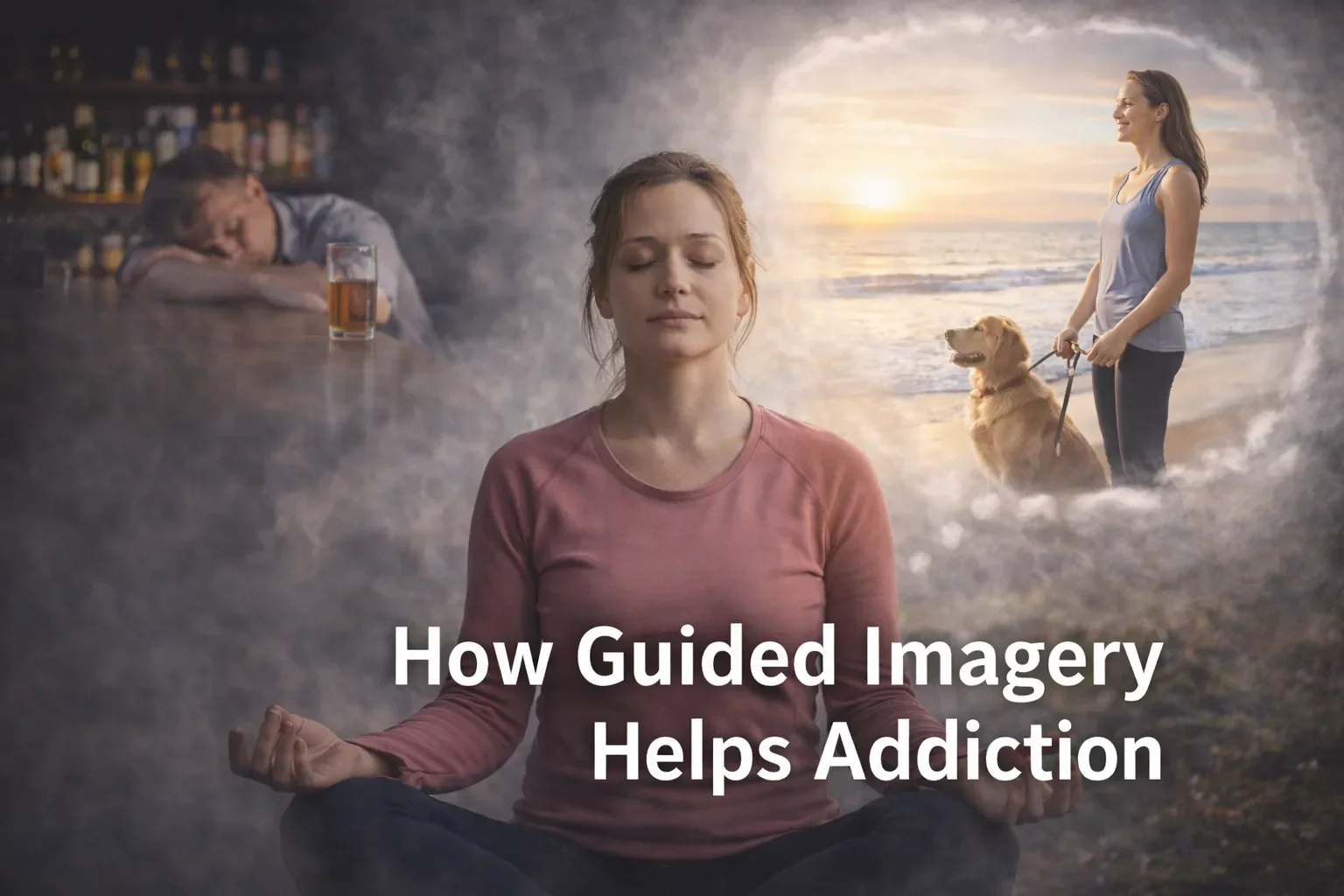
How Guided Imagery Helps Addiction
This is the second part of a multi-part blog on the holistic relaxation technique of guided imagery. As this can greatly assist in addiction treatment it is an amazing practice to be completed for stress management and relaxation in general.
The blog on Intro to Guided Imagery is a great read to start with before this blog. In that blog it goes over some of the basic principles and the history of this practice, tracing it back thousands of years to other cultures.
Light Introduction Into Guided Imagery
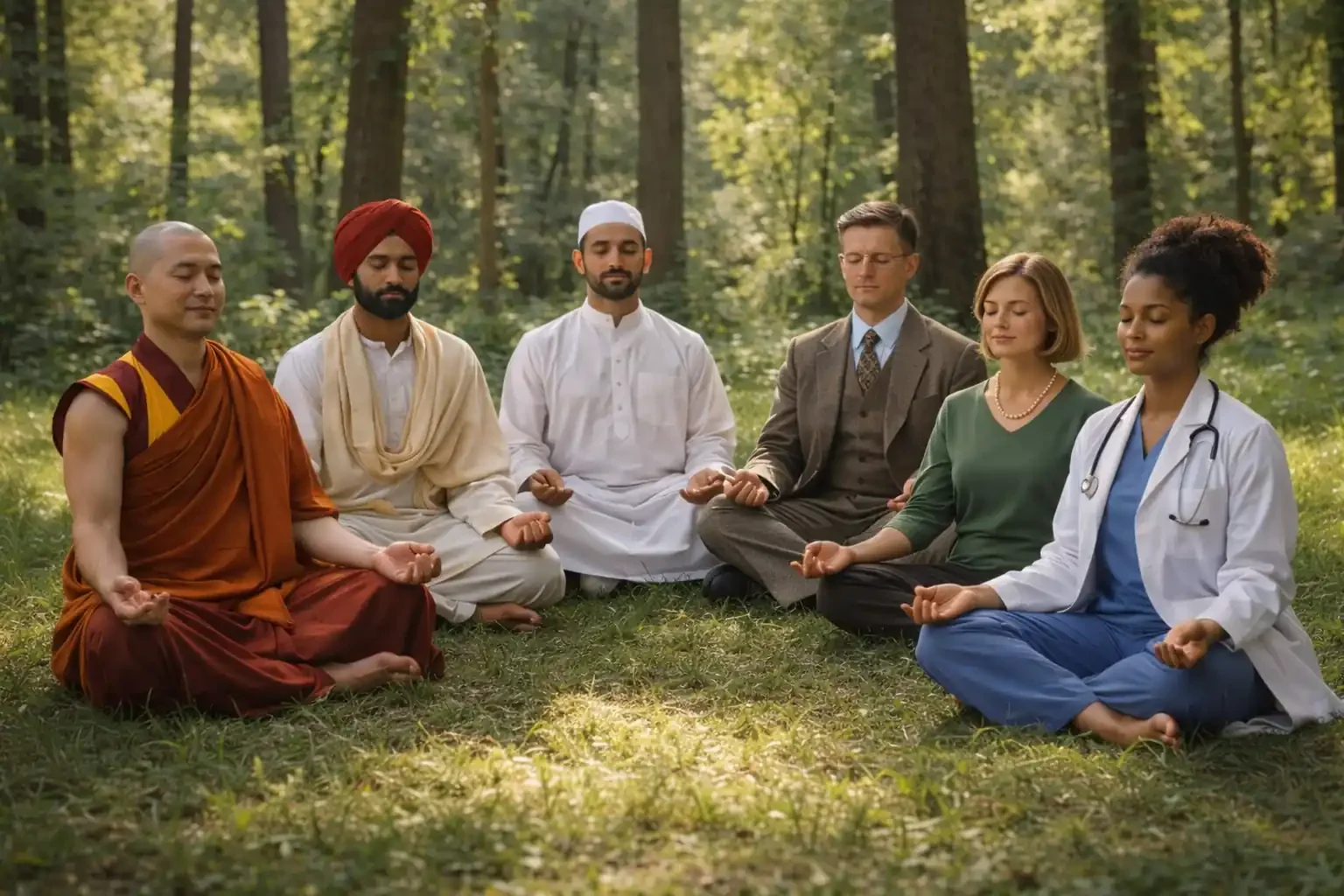
Guided imagery is not a new practice, even for Western Medicine. This practice has roots in Buddhism, Hinduism, and other religions tracing back thousands of years. The use of guided imagery in Western Medicine can be traced back to Germany in the 1940s with great advancements in the use starting in the 1980s to 1990s. And the traditional practices such as that with Tibetan Buddhism are still being utilized today.
A main thing that people desiring to get benefits from guided imagery need to know, is that this is a practice, not a single or seldomly used technique. With any practice the more it is worked on the better the benefits. Guided imagery is a practice that the benefits can be seen very quickly, but with practice the benefits will get better as well as the practice becoming easier, and even some moderations can be completed without the need for a quiet secluded location.
Guided Imagery in Addiction Treatment
When looking at treatment for any addiction, it is important to have many “tools” to assist with that journey. The more tools you have the better the chances of success are. A way of looking at this, a plumber would not show up to a house to do repairs and just bring a single screwdriver. They would bring an entire toolbox, with many tools they may not use, but just in case. Guided imagery is a great holistic tool that a person can use and would help and is just one of many possible holistic tools to help with a journey of recovery.
What Areas of Recovery Can This Practice Help With?
Guided imagery is not some type of “cure” but a skill to help with other factors that affect those in recovery. This practice can help with alleviating cravings, triggers, stress reduction, motivation, and even sleep. Regarding triggers, learning about triggers is very important as this will let a person know when are good times that this practice can be of great use.
This practice can help with any substance use disorder from opioids, kratom, 7-OH, methamphetamines, alcohol, even has been used with helping people stopping the use of nicotine.
It is important to know that guided imagery is not a standalone treatment, but an added skill to help with recovery. Those suffering from opioid addiction, even Kratom Addiction, and 7-OH Addiction often will need other assistance such as with medications like Suboxone (Buprenorphine) such as that offered here at Recover Clarity.
Cravings
Cravings are not only just a single thought of desiring to use a substance. They often include many other sensory information such as smells, tastes, and very vivid imagery almost like a movie scene. Because of this, cravings are very powerful and will take up a lot of a person’s attention and affect a person via multiple senses at one time. Guided imagery involves using at least four of our senses and does the same with our attention, but in a positive way, which can offset cravings. Research even supports using imagery techniques to reduce cravings (Lowry et al., 2021).
Triggers
Triggers can easily lead to the more intense response of cravings. That is why knowing How to Identify Triggers is useful to know when to use the tools you learn in addiction treatment to stop them before they turn into cravings. Guided imagery can help in a few ways with triggers.
First, the guided imagery can take all your attention away from the trigger, placing this out of conscious thought. This mental break can assist with stopping the trigger exactly when it happens stopping this from turning into a craving.
Second, there are many internal triggers that people may have, such as stress. Guided imagery is a relaxation technique which is very beneficial in stress management. This practice can help with stress in general but also works on bringing the body and mind to a calmer state, removing the internal trigger of stress.
Third, is the form of guided imagery that uses visualizing future scenarios, like the Tantric Buddhist use of deity visualization. In this practice a person can work through rehearsal of high-risk situations that would be triggering. This can take stress away from the triggering situation and practice mentally using coping skills.
Fourth, some triggers can just be negative thoughts about our lives. This can cause a person to think of using substances as they do not see a better future outside of where they are in early recovery. This practice can assist with having a person visualize a life repaired from the effects of active addiction such as having a better residence, rebuilt relationships, and just a healthier life in general.
Value-Based Future Imagery
With this practice it again uses visualizing future scenarios which can be of great benefit earlier in the recovery journey. Kominars (1997) noticed significant positive outcomes for patients in Intensive Outpatient Program settings using visualization and progressive muscle relaxation techniques.
The concept here is that often in recovery there are parts of a person’s life that may seem more challenging to repair. With guided imagery we can use this practice to visualize the positive recovery future including more healthy routines, repaired relationships, better living situations, and almost anything possible. This practice then can create motivation for these positive changes and assist with identity change, which is very close to how this practice was used in Tibetan Buddhism.
Sleep and Nervous System Regulation

Early recovery often will include insomnia and high stress. The National Center for Complementary and Integrative Health (2021) directly mentions guided imagery as a relaxation technique that helps with both sleep and stress. Read the previous Blog on guided imagery to learn more in-depth how this works. Simply it is that this practice can activate the parasympathetic nervous system which calms our body, that is the opposite of the sympathetic nervous system which is activated when we are in flight-or-fight. As for sleep, calming our body and our mind is useful to relax and helping induce sleep.
When Guided Imagery May Not Be Best Fit
For most people using guided imagery is a very safe practice, but for some there can be challenges or the practice can be distressing. That does not mean that it must be abandoned, just that professional guidance would be useful to help get the practice on the correct path.
At Recover Clarity, we can provide this guidance to anyone in need. As we do only work with medication for opioid use disorder as well as Kratom addiction and 7-OH addiction for patients on Suboxone in Pennsylvania and West Virginia, assistance with guided imagery, we can assist anyone across the United States from Florida to California and everywhere in between (including Alaska and Hawaii). All you have to do is contact us to get a session with us to help you with this practice.

Trauma History
Using imagery, it can activate distressing memories. This is when the use of a therapeutic guide that knows trauma-informed approaches is of great assistance. When choosing a scene to focus on, it is very important to make sure it does not involve anything that would be triggering of trauma or even the slightest bit distressing. And at times people may not even be consciously aware of things that can bring about traumatic memories, another reason why professional guidance in this practice can be of great benefit.
Panic Sensitivity and Anxiety
For some people using inward focusing techniques can cause anxiety at first. This is where having a guide to walk you through the practice can be of great benefit. Also, if this happens, starting with shorter practice sessions is of help while you become more used to the practice. Others may also get some panic forming from the silence that it is recommended to start this practice.