Intro to Guided Imagery for Addiction
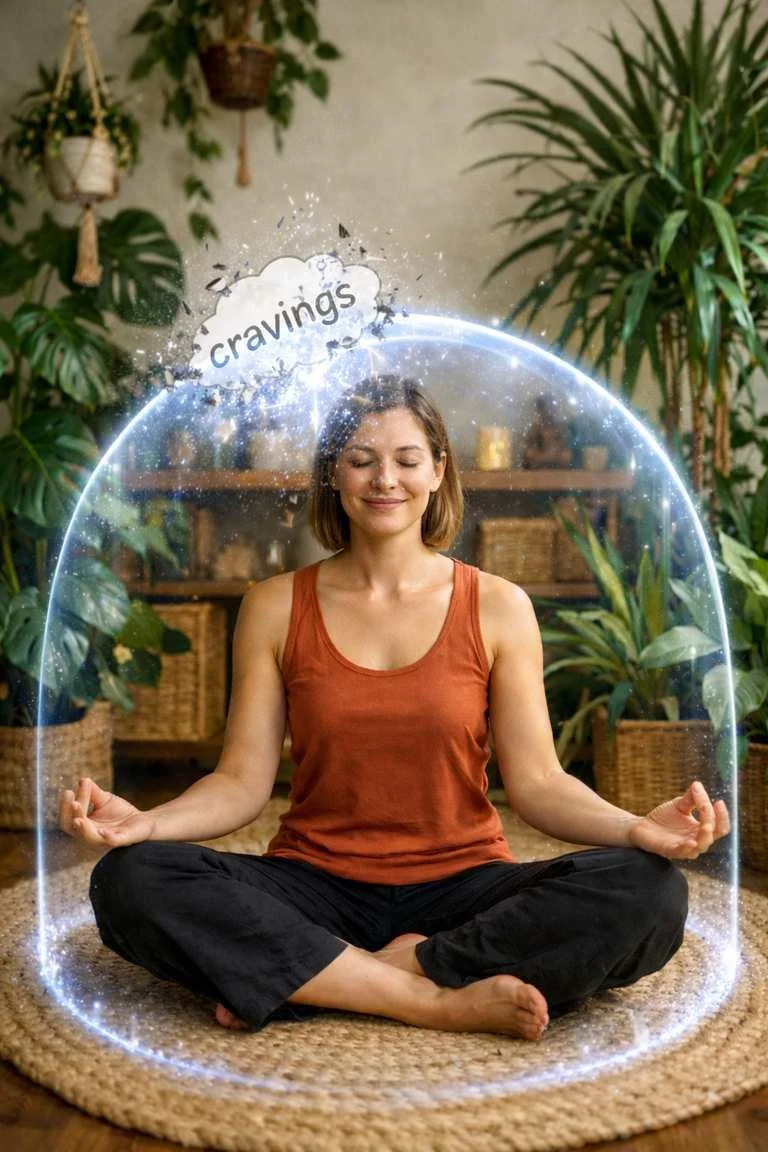
Guided Imagery (sometimes called visualization) is a holistic mind-body practice that uses your imagination to evoke calming and mental clarity. There are many ways of practicing this extremely useful tool, with no specific way being better than another, just what works best for you.
In this blog we will discuss the history of guided imagery, a light overview of the possible ways to practice this technique, and the benefits of it both in life in general and specifically for addiction recovery. In a later blog more in-depth information will be given about these techniques and specifically how they relate to assisting with addiction recovery.
Guided imagery is to be viewed as a tool to help improve quality of life. And this is just one of many holistic tools to be used in life. And as a construction work would not show up with only one tool in their toolbox, neither should anyone working a recovery journey. As this is a great tool, it is just one of many that can benefit addiction recovery as well as life in general. Other tools such as the use of Suboxone Treatment or therapeutic support should
Author’s History with Guided Imagery
Unlike many other blogs, this blog will not be full of as much clinical research, despite there being ample support for this practice. The reason is that I (the author of Recover Clarity’s Blogs), have been practicing guided imagery and studying similar holistic practices for 30 years, even practicing in places such as Thailand, China, and Japan. Some of the stress reduction and relaxation practices used in Western Medicine trace their origins back to Buddhism such as with guided imagery.
Through my 20 plus years of working with patients and providing guidance to living a more peaceful and calmer life, the practices of guided imagery has worked amazingly for many patients. Guided imagery is a practice I use variations of daily. And using this practice in addiction recovery has been greatly beneficial to those throughout their entire journey of recovery and well after as just a beneficial tool in life for stress management.
What is Guided Imagery
The National Center for Complementary and Integrative Health (NCCIH) gives the definition of guided imagery as a relaxation technique that a person will picture scenes, objects, or events that are associated with calmness and/or relaxation to produce a similar feeling in their body (NCCIH, 2021). To some this may sound like daydreaming, but it is quite different, the main difference is guided imagery is a deliberate process. The process is very specific including multiple sensory details such as sight, sound, smell, temperature, and touch, so much detail that the nervous system responds as well as takes up all your available attention.
Guided Imagery vs. Mindfulness
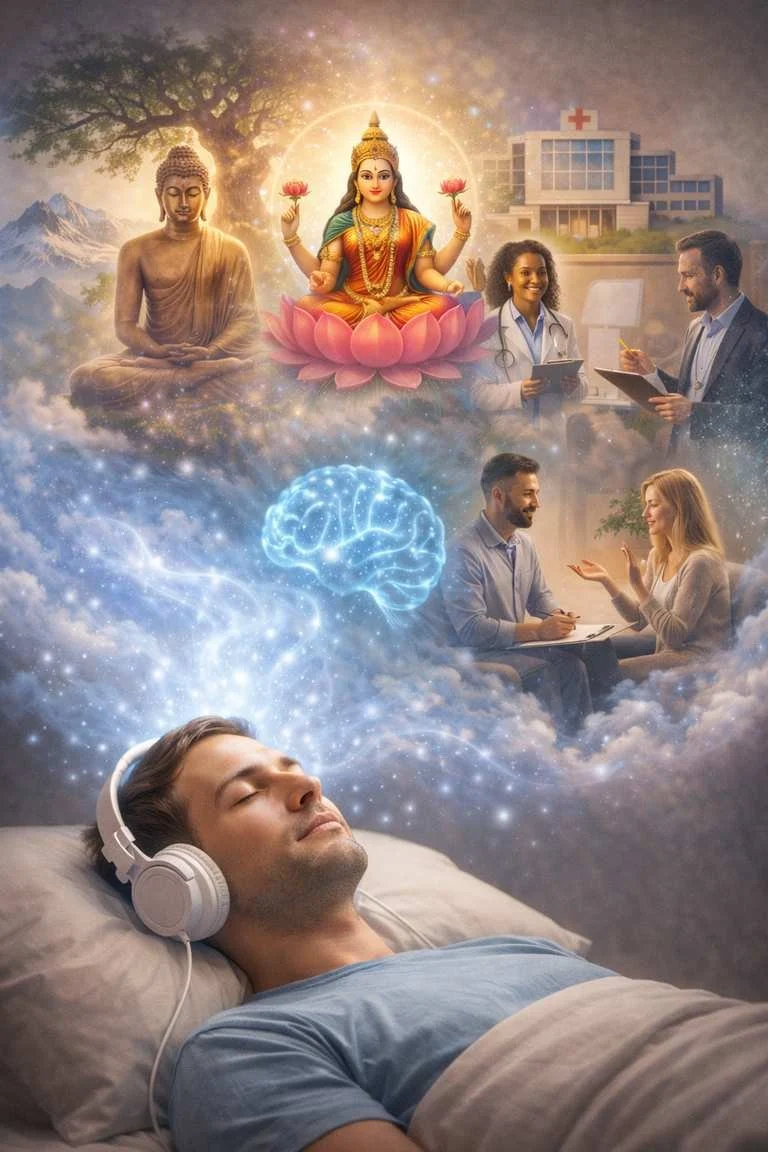
There are some main differences between guided imagery and mindfulness. The Practice of Mindfulness can assist with addiction treatment in that it helps a person be more present in their current experience. There are seven principles of mindfulness which can be practiced helping this experience and help life in general. Guided imagery is a mental experience used to calm the autonomic nervous system and also will provide a mental break from intrusive or negative thoughts. Guided imagery in Western Medicine is grouped under relaxation techniques like that of breathing exercises, progressive muscle relaxation, and meditation (NCCIH, 2021).
What is important here is that both mindfulness and guided imagery can be used daily and in conjunction with one another. Both are holistic practices that can greatly benefit a person’s life, making a calmer, more enjoyable life and everyday experiences, all without the need for additional medications. This applies outside of anything related to addiction treatment and are great practices for everyone. And what is best is these practices are completely free.
Guided Imagery Roots in Buddhism
Using imagery for healing and spiritual practices dates back thousands of years and across many cultures including that of Buddhism, Islamic tradition, Hinduism, among others (Kozhevnikov et al., 2022). Buddhist practices have some of the best documented examples of visualization in meditation practices. When looking at attention and autonomic nervous system influence of these practices there is research supporting such practices for better quality of life (Amihai & Kozhevnikov, 2015).
Buddhist Visualization Practices
In the Buddhist practices visualization can be used to stabilize attention (stop a wandering mind) or to bring about specific qualities, such as clarity or calmness. Two examples of these traditional practices are:
Kasina Meditation (Theravāda) is a calming practice (śamatha) in where attention is trained using visual objects and internal images.
Deity Visualization (Vajrayāna / Tantric Buddhism) uses intentional imagery (often visualizing oneself as a deity) as part of a complex and structured contemplative process to change ordinary perception to a divine or enlightened level.
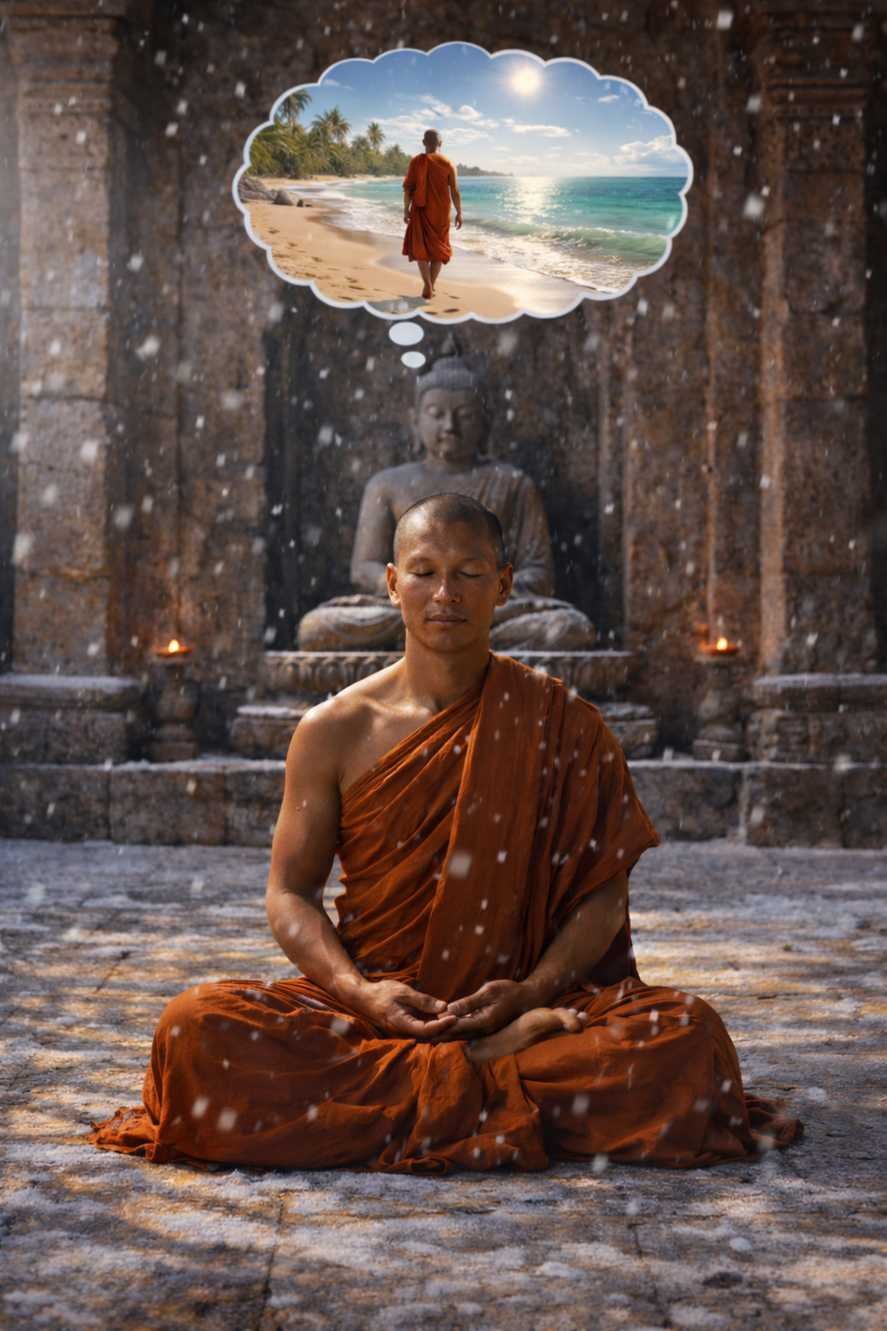
These practices are different than that of the guided imagery in Western Medicine but show similarity and how mental imagery and shaping attention has a longstanding in history and assisting with emotional regulation and our physiological state. The line between these traditional practices and modern guided imagery is not a direct line but shared concepts related to training our mind and how our nervous system responds. Contemporary research on imagery based contemplative practices show that vivid simulations can prime emotion, perception, and action, which explains why visualization practices can feel “real” in the body (Wilson-Mendenhall et al., 2022).
Guided Imagery in Modern Western Medicine and Psychology
Guided imagery started in more modern practices back in the 1940s by a German Psychiatrist. This developed further in the 1970s using music-based guided imagery, something I personally find very beneficial and frequently recommend to patients. This continued to develop through the late 1980s when the Academy for Guided Imagery was founded in 1989. Then in the 1990s and after the use of guided imagery has become a greatly more utilized relaxation technique across many fields, including behavioral health and other areas such as with cancer patients.
How Guided Imagery Works
Overall guided imagery is a way to influence stress levels which will change physiological responses to that stress by calming down the autonomic nervous system. Guided imagery can also affect our attention, which when relating to addiction treatment is a great mechanism to stop triggers and cravings. But for this to also work it is very important that the person knows how to Identify Addiction Triggers.
Relaxation Response and Stress Physiology
When we are stressed, our body goes into fight-or-flight. This is the activation of the sympathetic nervous system. The sympathetic nervous system is part of the autonomic nervous system, which includes both the sympathetic and parasympathetic systems. These work to stay in homeostasis with one another, which means to stay in a stable balance.
When the sympathetic part of our nervous system is activated, we can experience increased heart rate, and our body diverts blood to the muscles. And when our bodies stay in excessive sympathetic nervous system it adds great strain to our body. Over time this can cause other health problems.
Using guided imagery is a proven relaxation skill that can reduce the arousal of the sympathetic nervous system and bring the body back to balance (NCCIH, 2021). Guided imagery done correctly will activate the parasympathetic nervous system, which calms the body, bringing it back to homeostasis.
Attention Training and Control
One of the best advantages of guided imagery is the ability to assist in training and controlling our attention. Despite many people believing they can fully multi-task, truly attention is a limited capacity system. Because of our attention being a limited capacity system means that when our minds focus attention on negative things (such as cravings) the use of guided imagery can stop them. This short break can take away the strength the craving has on a person and also bring about calmness, such as those traditional practices in Buddhism.
Stopping Addiction Cravings
Using guided imagery, we place all focus on the image, scenario, memory, feeling, or whatever area of practice, will leave no remaining attention for the craving to exist. How this works is when a craving enters the mind by stopping and taking a few minutes for this relaxation process, we refocus our attention on something positive, therefore removing any attention on the craving. This is not a complete solution as those thoughts on cravings can return, but with successful guided imagery those thoughts are greatly diminished, taking the power away from the craving.
This is not only useful for addiction treatment but in life in general. The process of guided imagery can help diminish or even eliminate negative thoughts while returning the body to a calmer state by activating the parasympathetic nervous system. This is not only good for mental health, but physical health as well.
Practices of Guided Imagery
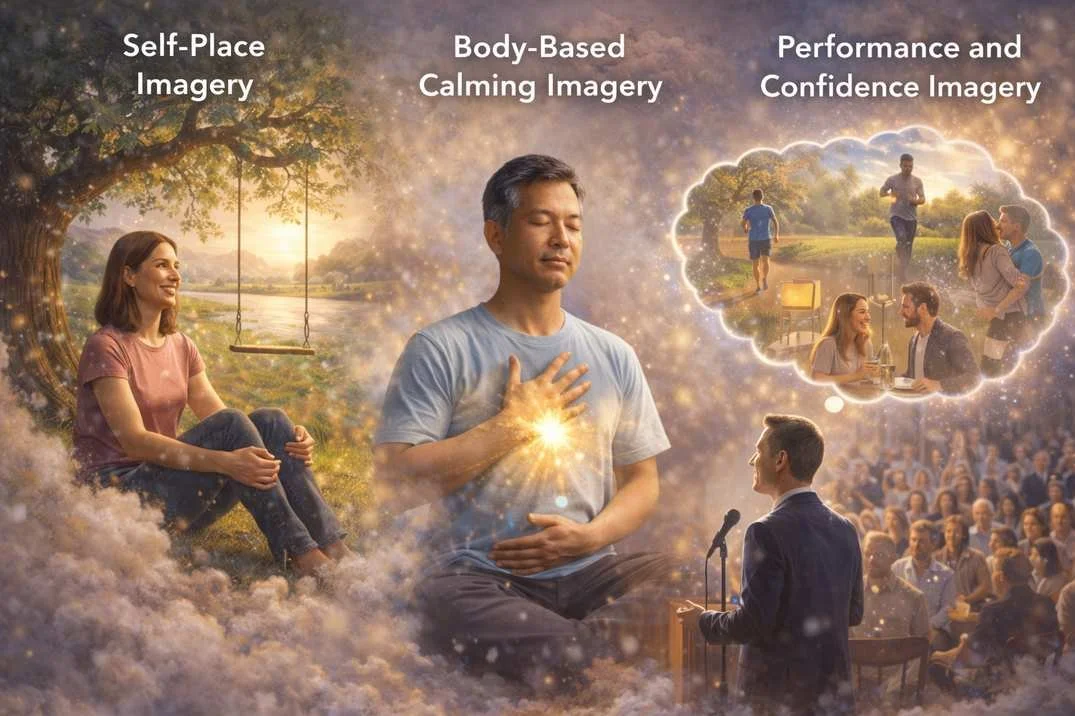
There are a few forms of guided imagery that people practice. And there is not necessarily one that is better than others, each has their advantages, and overall, it is what is best for you and what works best for your needs or current situation.
Guided imagery is a practice, not a one-time or short-time event. With practice this relaxation technique will get stronger and work better over time. As previously mentioned and will be discussed more in the next blog post, this practice can help with addiction recovery but also is very beneficial in life overall. That is why this is a great practice to incorporate into everyday life.
Self-Place Imagery
This is one of the most common practices of guided imagery. In this often people use a childhood memory or build a “place” that is a place/scenario of safety.
Body-Based Calming Imagery
This practice involves imagining an internal feeling in the body, which can also be paired with self-place imagery. In this practice a person will imagine a feeling such as warmth, lightness, softening tension in an area of the body.
Performance and Confidence Imagery
This is the practice of mentally rehearsing a performance, especially to a future stressful situation, such as public speaking. In this you mentally complete the task but in a calm controlled situation, leading to adding that calmness to the real situation. This could be done to also visualize a recovery future of healthy routines, rebuilt relationships, and an overall better quality of life.
Pairing with Breathing
Pairing controlled breathing, which is another relaxation technique, with guided imagery can add another level of calming to this practice. Again, this is a practice and is best done on a more regular basis.
References
Amihai, I., & Kozhevnikov, M. (2015). The influence of Buddhist meditation traditions on the autonomic system and attention. BioMed Research International, 2015, Article 731579. https://doi.org/10.1155/2015/731579
Kozhevnikov, M., et al. (2022). Beyond mindfulness: Arousal-driven modulation of attentional control during Vajrayana meditation. Frontiers in Psychology.
National Center for Complementary and Integrative Health. (2021, June 8). Relaxation techniques: What you need to know. U.S. Department of Health and Human Services, National Institutes of Health. https://www.nccih.nih.gov/health/relaxation-techniques-what-you-need-to-know
Wilson-Mendenhall, C. D., Dunne, D. D., & Davidson, R. J. (2022). Visualizing compassion: Episodic simulation as a mechanism of imagery-based contemplative practices. Frontiers in Psychology.